
7 states are more prone to sinkholes, U.S. Geological Survey says

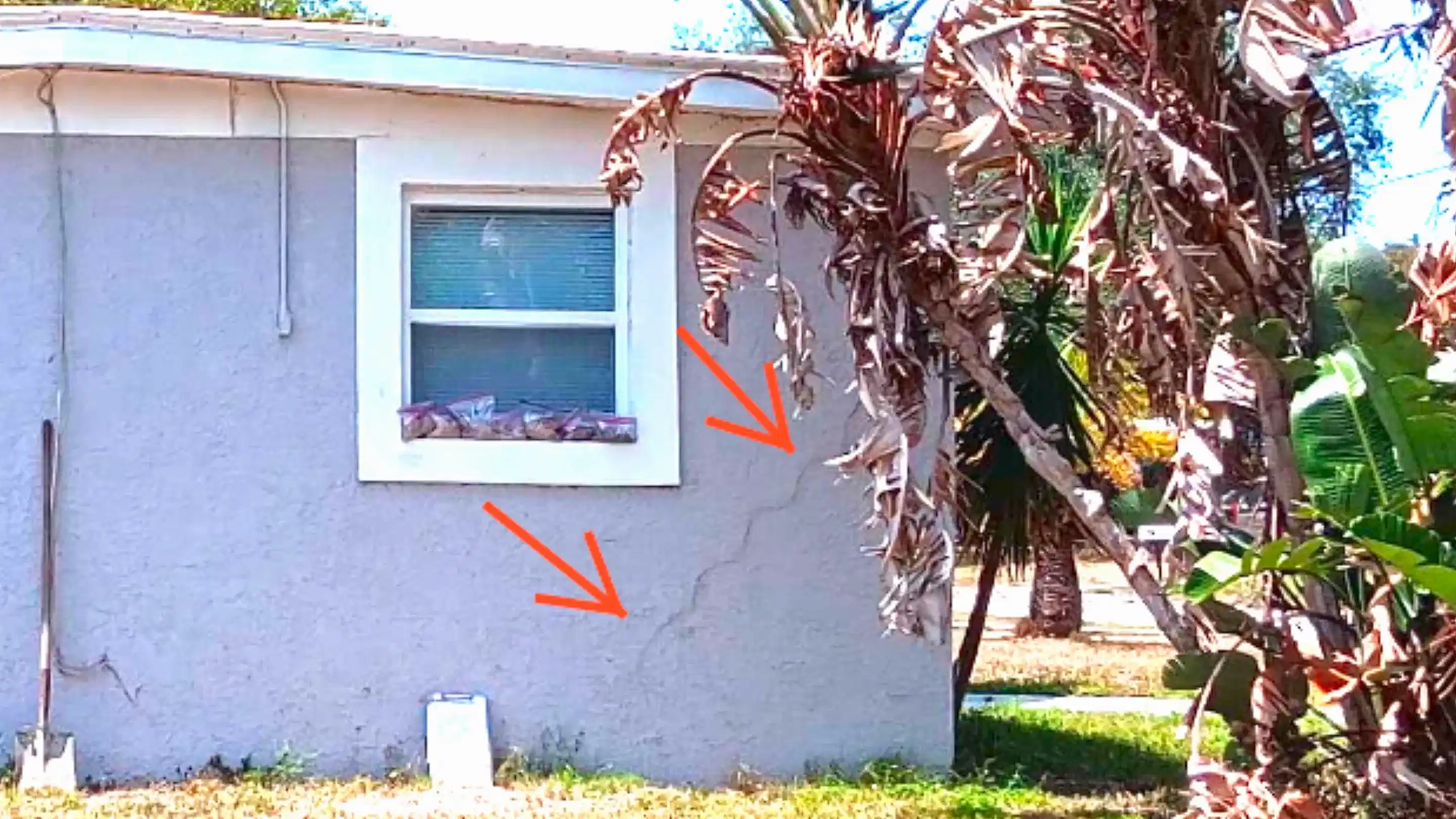
Across Central Florida in past weeks, sinkholes have formed across Central Florida.
Ocala Fire Rescue officials said a sinkhole opened near a Goodwill store Sunday afternoon.
The sinkhole opened on the banks of a retention pond next to the store at the 2800 block of SW 27th Avenue, fire rescue officials said. This sinkhole opened up a quarter-mile south of where a sinkhole opened on State Road 200 near a Checker’s in Ocala.
So what causes the sink hole to appear?
Florida law defines a sinkhole as a, “landform created by subsidence of soil, sediment, or rock as underlying strata are dissolved by groundwater. A sinkhole forms by collapse into subterranean voids created by dissolution of limestone or dolostone or by subsidence as these strata are dissolved.”
According to the U.S. Geological Survey, there are two types of sinkholes: dissolution, cover-subsidence sinkholes and cover-collapse sinkholes.
Dissolution sinkholes occur when limestone or dolomite are exposed to groundwater. Once the breakdown occurs, spaces and caverns can form.
Cover-subsidence sinkholes form when sediments contain sand and cover material is thicker and sediments contain more clay, the U.S. Geological Survey said.
The last type of sinkholes are the most catastrophic and are called the cover-collapse sinkholes. This occurs when sediments have a large amount of clay, officials said.
Over time, surface drainage, erosion and deposition of sediment cause a sinkhole in a shallower bowl-shaped depression.
Florida, Texas, Alabama, Missouri, Kentucky, Tennesseeand Pennsylvania are where sinkholes are more likely to occur, the U.S. Geological Survey said.
If you have any questions about sinkhole occurrences, The Florida Geological Survey has a database that you can look up the incidences.
Florida law, Section 627.706(2)(a) requires authorized insurers to cover catastrophic ground cover collapse. “The insurer may restrict catastrophic ground cover collapse and sinkhole loss coverage to the principal building, as defined in the applicable policy,” the law states.
To read more on the Florida law, visit https://www.leg.state.fl.us/Statutes/index.cfm?App_mode=Display_Statute&Search_String=&URL=0600-0699/0627/Sections/0627.706.html
***Please note blog courtesy of www.clickorlando.com***